
Who we are
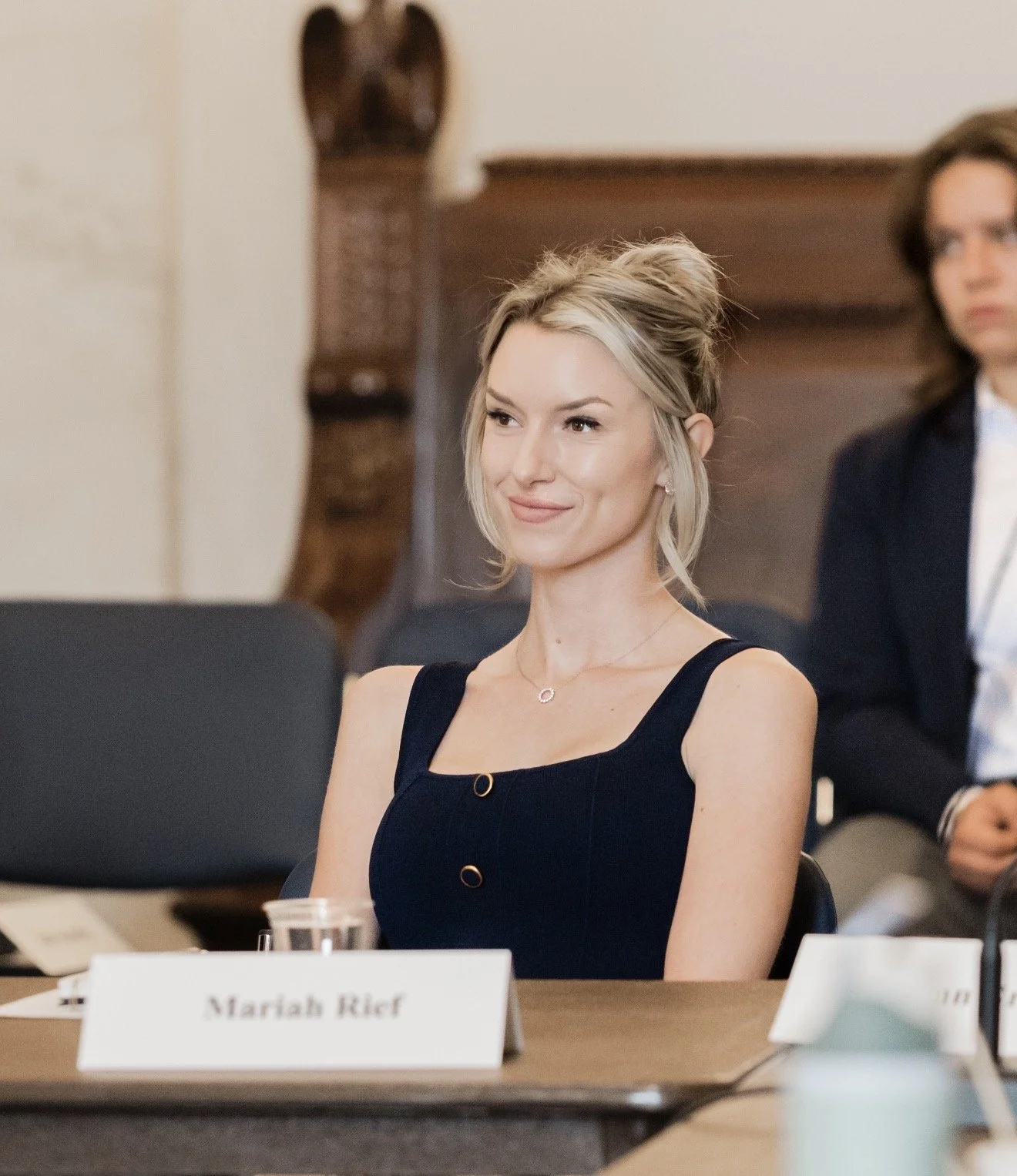
Mariah is the founder of Undox, a trauma-informed content removal and digital protection service born out of lived experience and unwavering advocacy.
Mariah’s journey through the federal court system began as a victim in one of San Diego’s largest sex trafficking cases ever tried. Her image and identity were weaponized, distributed across hundreds of websites- including pornhub, without her consent, attached to her real name, and etched into the internet in ways that threatened her safety, peace, and future.
She understands, intimately and painfully, what it’s like to be doxxed. She knows how disorienting it is to see your image spread widely with no control, to have strangers profit from your pain while faceless companies offer little to no support. That firsthand experience is what sets her apart.
Unlike algorithm-based companies that rely on automated responses and one-size-fits-all systems, Mariah created Undox to offer something entirely different: human precision, empathy, and accountability. Every piece of content flagged by Undox is handled manually by trusted professionals who follow through until it's removed not just suppressed or ignored.
Over the last four years, Mariah has worked closely with federal prosecutors, attorneys, and FBI specialists. She’s built deep credibility by showing up, not just in court, but in the lives of survivors who’ve needed someone to stand beside them when the internet turned hostile.
Undox is more than a service. It’s a response to a broken system, one led by someone who has walked through it, rebuilt herself, and now returns with the skills, insight, and integrity to help others reclaim their digital safety.
Sources:
Frequently Asked Questions
-
Federal law defines sex trafficking as any commercial sex act that is induced by force, fraud, or coercion, or in which the person induced to perform such act has not attained 18 years of age; or the recruitment, harboring, transportation, provision, or obtaining of a person for labor or services, through the use of force, fraud, or coercion for the purpose of subjection to involuntary servitude, peonage, debt bondage, or slavery.” [U.S.C. §7102(8)]
-
While exact averages vary due to the hidden nature of trafficking, federal agencies consistently cite 12–14 as the typical age range of first exploitation among minors.
-
Contrary to a common assumption, human trafficking is not just a problem in other countries. Cases of human trafficking have been reported in all 50 states, Washington D.C., and some U.S. territories. Victims of human trafficking can be children or adults, U.S. citizens or foreign nationals, male or female.
-
In cases of immediate emergencies, it is best to call your local police department or emergency access number. You can report suspected trafficking crimes or get help by calling the national 24/7 toll-free Human Trafficking Resource Center at 1-888-373-7888. This center will help you determine if you have encountered a victim of human trafficking; identify local resources available in your community to help victims; and coordinate with local social service providers to help protect and serve victims so they can begin the process of rehabilitation and restoring their lives.
-
Over 80% of modern trafficking recruitment and advertising now occurs online, primarily through social media, messaging apps, gaming platforms, dating apps, and digital marketplaces.
Why this matters to organizations:
This means mainstream business platforms are now primary access points for traffickers. -
Reports of online sextortion, digital enticement, and image-based abuse have increased by nearly 200–300% in recent years, with hundreds of thousands of cases reported annually.
Contact us
We offer a free 30-minute confidential consultation to help assess your situation and determine the best course of action. Whether you’re facing doxing, non-consensual content leaks, deepfakes, or other forms of online exploitation, we’re here to listen and help.